Cremation or Burial: A comprehensive guide to help you decide.
A guide to your committal options.

Cremation or Burial
Planning a funeral can be an emotional and challenging process, especially when it involves making important decisions such as choosing between burial and cremation. This choice is deeply personal and can be influenced by various factors including religious beliefs, cultural traditions, environmental considerations, and personal preferences.
The decision between cremation and burial is not only important to the ongoing memory of your loved one, but your choice will then dictate certain elements in your funeral planning. That’s why we encourage families to give this particular question some thought before progressing in the arrangement process.
In this blog, we aim to provide you with a comprehensive guide to help you make an informed decision that honours your loved one’s memory. However, do keep in mind that the choice of cremation or burial really comes down to your own preferences and that of your loved one, and this blog is written to assist you with finding out what feels most right to you.
Understanding Burial
Traditional Burial
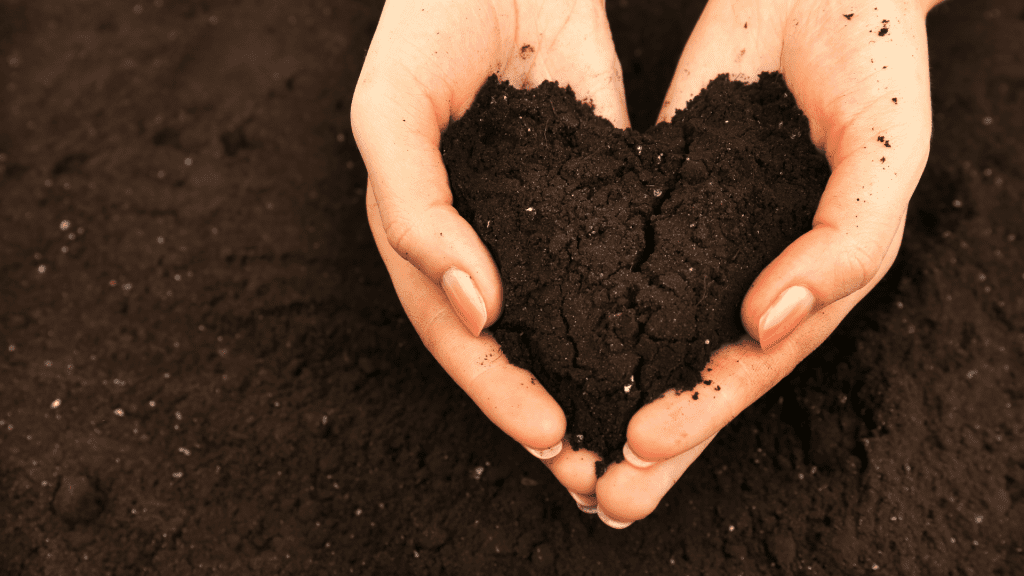
Traditional burial involves interring the deceased in a casket, which is then placed in a grave and marked with a headstone. This method is often chosen for its sense of permanency and the opportunity it provides for families to visit and pay their respects at a specific site.
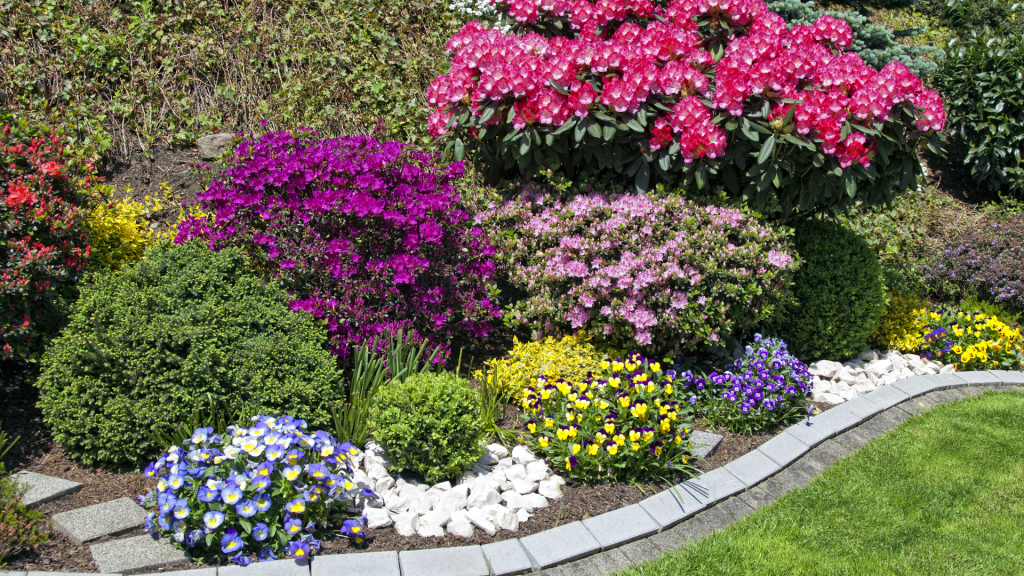
Burial not only refers to lawn graves but can also include above ground options, such as mausoleums or crypts, and more environmentally-friendly options such as natural or green burials.
Pros of Burial:
Tangible Memorial: A grave provides a physical place for family and friends to visit and remember their loved one.
Cultural and Religious Acceptance: Many cultures and religions have longstanding traditions of burial, and although cremation is becoming more popular, there is some lingering stigma around the practice in some cultures.
Family Plot: Some families prefer to have a family plot, allowing loved ones to be buried in the same vicinity by purchasing multiple graves at once.
Cons of Burial:
Cost: Burials can be expensive due to costs associated with the casket, grave plot, and headstone, as well as ongoing maintenance fees.
Environmental Impact: Traditional burials can have a significant environmental footprint, involving land use and the use of embalming chemicals.
Space: In urban areas, finding available cemetery space can be challenging.
Exploring Cremation
Traditional Cremation
Cremation involves the process of reducing the body to ‘ashes’ through high-temperature burning. Although we often refer to the cremated remains as ‘ashes’, they are actually ground down bone fragments with a consistency more like coarse sand.
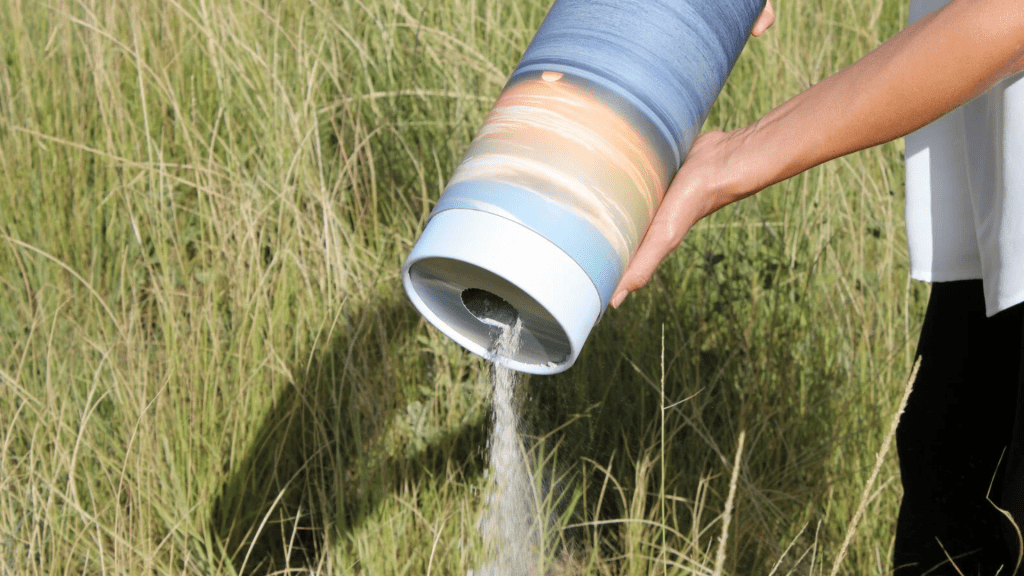
The cremated remains can be stored in an urn, scattered in a meaningful location, or even incorporated into keepsakes.
Pros of Cremation:
Cost-Effective: Generally, cremation is less expensive than traditional burial, due to the elimination of associated fees such as burial and cemetery costs, headstone, interment fees and more.
Flexibility: Cremains can be kept in an urn, scattered, or transformed into various memorial items, providing diverse options for remembrance and allowing for ashes to be dispersed between various loved ones.
Environmental Considerations: Cremation is often viewed as having a lower environmental impact compared to traditional burial, particularly in terms of land space, though it’s important to consider the carbon footprint of the process itself.
Cons of Cremation:
Cultural and Religious Restrictions: Some religions and cultures do not permit cremation, and despite cremation becoming the preferred method of disposition for most Australians, a few are simply uncomfortable with the practice in general.
Lack of Physical Memorial: Unlike a burial, cremation does not provide a permanent gravesite unless the ashes are interred in a niche or buried.
Myths and Fallacies: There are many false notions surrounding death and the funeral process in general, however, cremation seems to inspire more falsehoods than other aspects, likely due it only increasing in popularity in the 1990’s.
Factors to Consider
When deciding between burial and cremation, it’s important to consider several factors:
1. Personal Beliefs and Preferences:
- What were your loved one’s wishes?
- How do you feel about each option?
- How do other family members feel about it?
- Are feelings likely to change in the future?
2. Religious and Cultural Traditions:
- Does your religion or culture have specific funeral rites or practices?
- Are there any prohibitions or recommendations regarding burial or cremation?
- Are there any timelines or caveats to take into account?
3. Financial Considerations:
- What is your budget for the funeral?
- Are you aware of the costs associated with each option?
- What are the ongoing costs and who will pay these in these future?
4. Environmental Concerns:
- How important is the environmental impact of the funeral process to you?
- Have you considered eco-friendly options such as green burials or water cremation?
5. Memorialisation:
- How do you envision remembering your loved one?
- Do you prefer a physical location to visit, or do you favour a more personalised form of memorial?
6. Family Dynamics
- Does this option suit all of those closest to the deceased?
- Could family dynamics changes in the future?
- Will the chosen option cause further distress to any family members? Can this be avoided?
Keep in Mind
The funeral planning process is a time fraught with stress and high emotion, so be gentle with yourself and other family members wherever possible.
Each of us reacts to grief differently, and we each have our own values and beliefs surrounding death and funeral, so it is important that we remain respectful of others throughout the process and stay mindful of our differences.
Because choosing between burial and cremation can be the first milestone in the process of accepting the loss of a loved one, you may find family members push back no matter which way the decision is leaning. Taking time to have a longer conversation about their feelings or giving them space to process things may be a good first step in this instance.
Otherwise, chat to your Funeral Planner or our Funeral Advice Line to get more information and advice. Sometimes, we instinctively withhold information in order to protect those we love from more pain, however, in our experience we have found that by providing more information, loved ones can better understand the process, and move forward in accepting their loss knowing their loved one is being cared for and honoured properly.
Making an Informed Decision
The decision between burial and cremation is deeply personal and should be made with careful consideration of all the factors that matter to you and your family. It’s important to have open discussions with family members, religious advisors, and funeral professionals to ensure that you make a choice that honours your loved one’s memory and provides comfort to those left behind.
At Tobin Brothers, we understand the significance of this decision and are here to support you every step of the way. Our compassionate team is dedicated to providing personalised guidance to help you create a meaningful farewell for your loved one. Whether you choose burial or cremation, our priority is to ensure that your loved one’s final journey is conducted with dignity, respect, and care.
Final Thoughts
Deciding between burial and cremation is a significant choice that impacts how you commemorate your loved one. By weighing the pros and cons of each option and considering personal, cultural, financial, and environmental factors, you can make an informed decision that best honours your loved one’s life and legacy. Remember, there is no right or wrong choice – only what feels right for you and your family.
For more information and personalised assistance, please reach out to us at Tobin Brothers. We are here to help you navigate this difficult time with compassion and understanding.

Tobin Brothers Funerals
Celebrating Lives Since 1934