Scattering Ashes: Ceremonies and Locations
Planning a scattering ceremony for a loved one’s ashes is a deeply personal and meaningful way to honour their memory.

Scattering Ashes: Ceremonies and Locations
This guide will help you navigate the process, from understanding legal considerations to choosing a location and creating a respectful and memorable ceremony.
If you are still trying to decide on the final resting place for your loved one, our blog Burial or Cremation can help you with relevant information. We can also help you with information on How to Choose an Urn, Preparing for a Funeral, and other funeral guidance.
Legal Considerations for Scattering Ashes
Before planning a scattering ceremony, it’s important to understand the legal requirements in your area. Here are some general guidelines, but always check local regulations to ensure compliance:
-
Public Land:
- Scattering ashes on public land, such as parks or beaches, often requires permission from local authorities. Each location may have specific rules, so it’s essential to contact the relevant council or governing body.
-
Private Land:
- Scattering ashes on private property requires the landowner’s consent. If the property belongs to someone else, make sure to obtain their permission in writing.
-
Waterways:
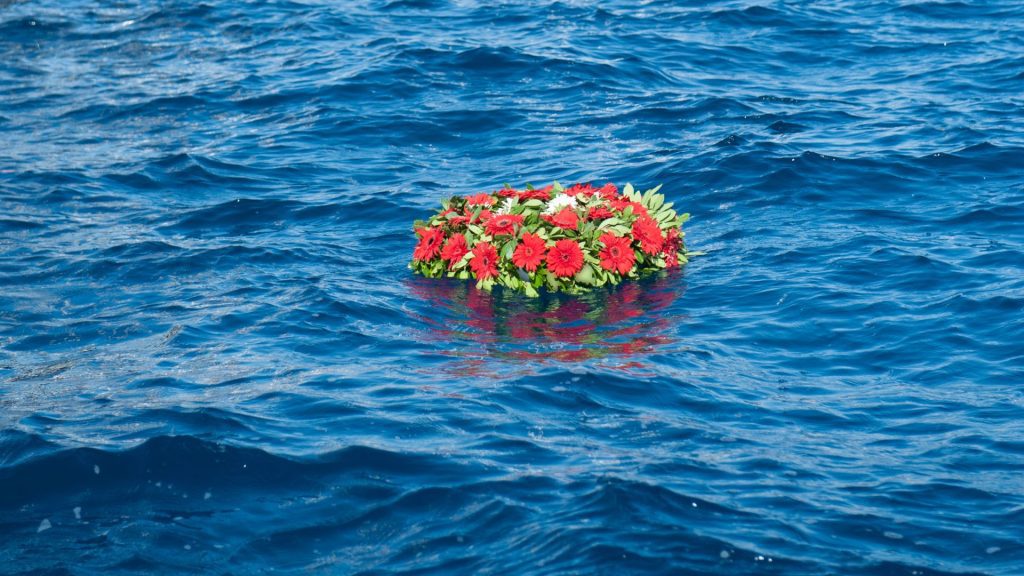
- Scattering ashes in rivers, lakes, or the ocean is generally permissible, but regulations can vary. In many cases, you’ll need to be at a certain distance from the shore and avoid protected areas. Contact the local environmental agency for guidelines.
-
National Parks and Protected Areas:
- Many national parks allow scattering ashes, but specific rules apply. You may need to obtain a permit and follow designated areas and procedures. Always check with the park authorities before proceeding.
Choosing the Perfect Location
The location of a scattering ceremony holds significant emotional value. Here are some popular options, both public and private, to consider:
-
Beaches and Oceans:
- Beaches and oceans are popular choices due to their natural beauty and serene environment. Many people find comfort in the idea of returning their loved one to nature. Ensure you follow local regulations and choose a time when the area is less crowded for privacy.
-
Gardens and Parks:
- Public gardens and parks offer a peaceful and picturesque setting for a scattering ceremony. Some botanical gardens and memorial parks have designated areas for scattering ashes. Contact the park administration for details and permissions.
-
Forests and Woodlands:
- Forests and woodlands provide a tranquil and secluded environment. Many people choose to scatter ashes at the base of a favourite tree or in a special clearing. Ensure you have the necessary permissions if it’s public land.
-
Mountains and Scenic Overlooks:
- Mountains and scenic overlooks offer breathtaking views and a sense of grandeur. Scattering ashes from a high vantage point can be a powerful and moving experience. Be mindful of safety and environmental regulations.
-
Private Property:
- Scattering ashes on private property, such as a family garden or estate, allows for a more intimate and controlled environment. Make sure to obtain permission from all relevant parties.
Planning a Meaningful Ceremony
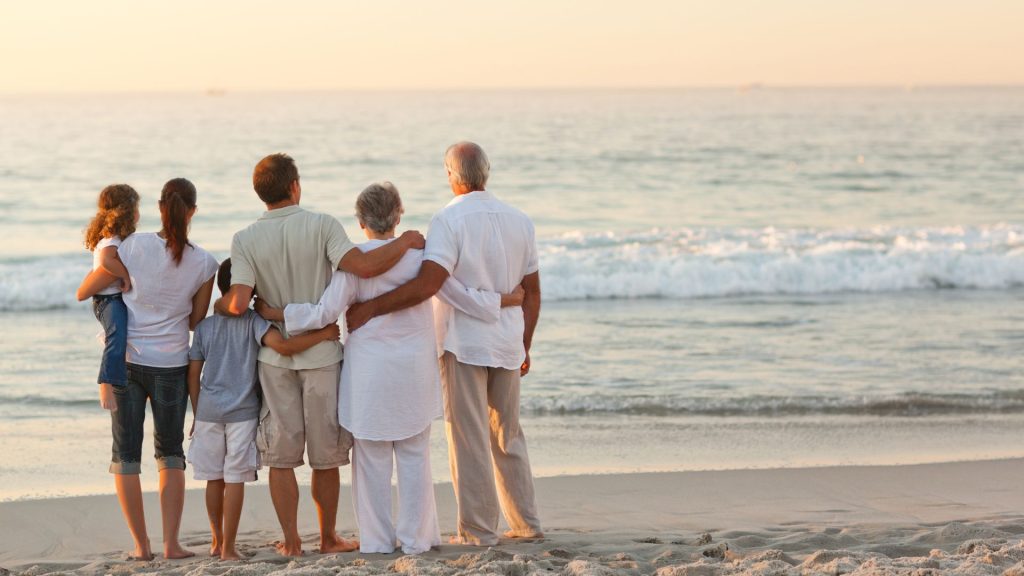
A scattering ceremony can be as simple or elaborate as you wish. Here are some ideas to make the event meaningful and respectful:
-
Create a Schedule:
- Outline the order of events, including any readings, speeches, or moments of silence. A clear schedule helps guide participants and ensures a smooth ceremony.
-
Personalise the Ceremony:
- Incorporate elements that reflect your loved one’s personality and interests. This could include playing their favourite music, reading their favourite poems, or sharing stories and memories.
-
Symbolic Gestures:
- Consider including symbolic gestures such as lighting candles, releasing balloons or butterflies, or planting a tree in memory of your loved one.
-
Provide Keepsakes:
- Offer attendees small keepsakes, such as memorial cards, engraved stones, or vials of ashes, to take home and cherish.
-
Capture the Moment:
- Hire a photographer or videographer to document the ceremony, allowing you to revisit the memories and share them with those who couldn’t attend.
-
Respect the Environment:
- Ensure that the ceremony is environmentally friendly. Avoid using materials that could harm the natural surroundings and follow the “leave no trace” principle.
Final Thoughts
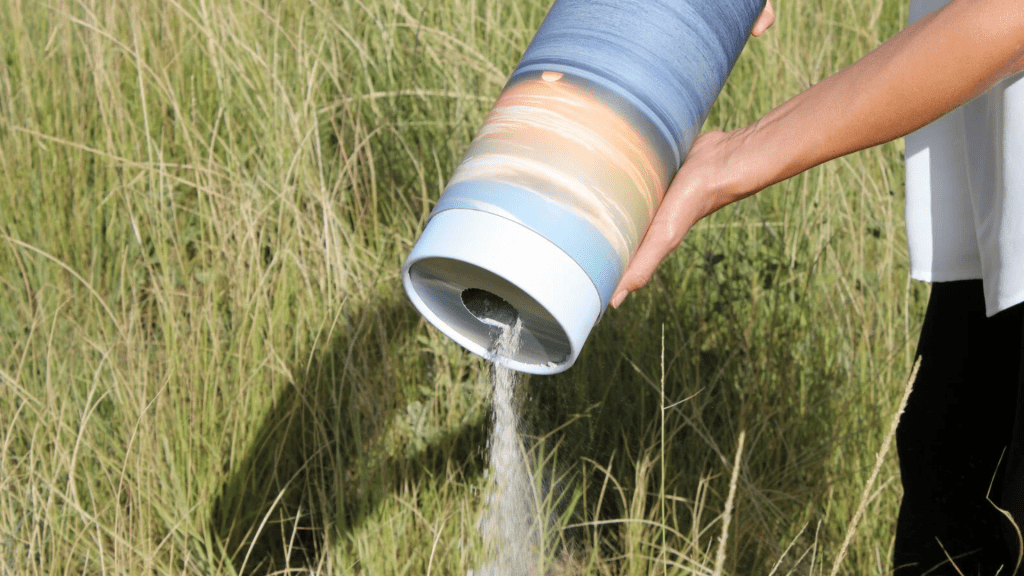
Planning a scattering ceremony for a loved one’s ashes is a deeply personal and significant way to honour their memory. By understanding the legal considerations, choosing a meaningful location, and incorporating personalised elements, you can create a respectful and memorable ceremony. Whether you opt for a serene beach, a tranquil forest, or a cherished family garden, the act of scattering ashes allows you to celebrate your loved one’s life and find peace in their final resting place.
At Tobin Brothers, we are here to support you through every step of this process. Our compassionate team can provide guidance and assistance to ensure your scattering ceremony is a fitting tribute to your loved one’s legacy.

Tobin Brothers Funerals
Celebrating Lives Since 1934